Why Low-Melting-Point Glass Powder Is a Game-Changer in Heat-Resistant Formulations
The industries that require heat-resistant coating require it the most in those industries that will subject metal structures, machinery, and components to extreme temperatures repeatedly. Such coatings should not only survive thermal shock but also be able to withstand adhesion, durability, and resist corrosion in harsh environments. With the changing technology, formulators have been on the hunt to find materials that will enhance the performance without making them costly and environmentally unfriendly. The low melting point of glass powder is one of the materials that is currently outstanding in formulations. It has been a real game-changer in the industrial use of its propensity to change the structure and performance of heat-resistant coatings.
Understanding the Function of Low-Melting-Point Glass Powder
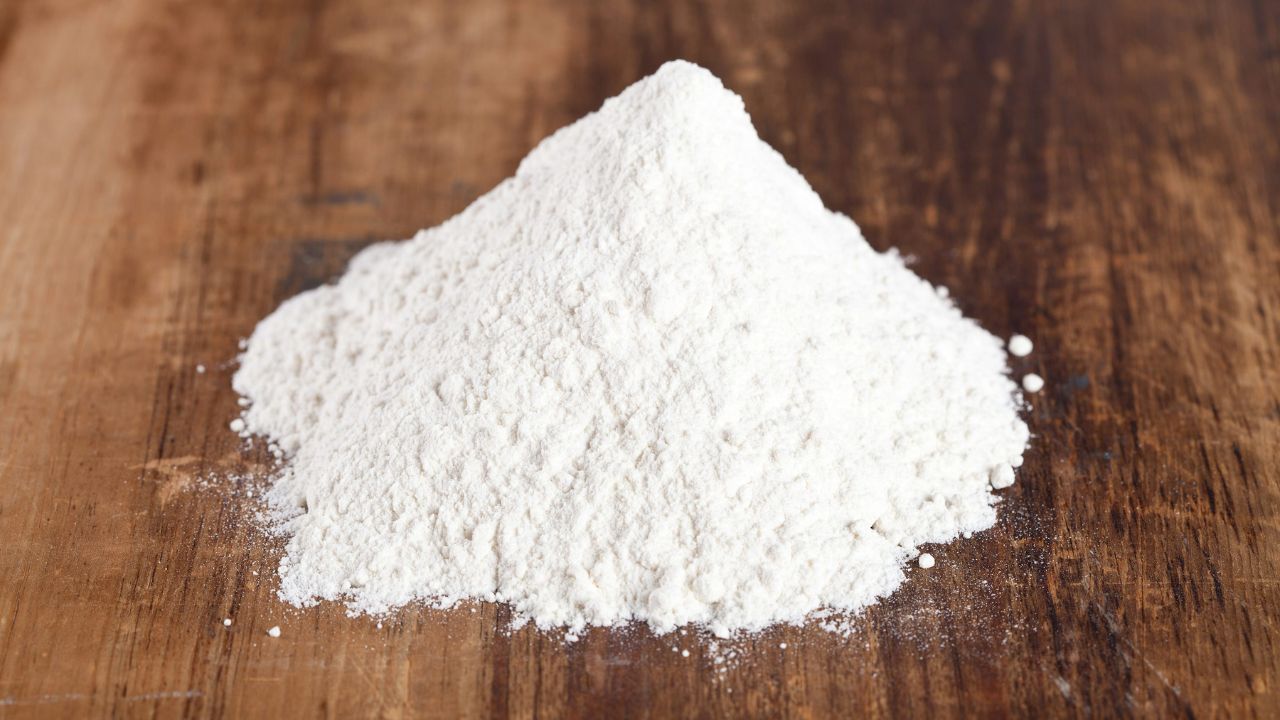
Low-melting-point glass powder is designed in such a way that its melting point is much lower than that of conventional glass fillers. In silicone coatings, which are heat-resistant, this feature becomes critical. When silicone resins are subjected to high-temperature conditions, the organic structure is eventually broken down, and a silica network remains. This reorganization is able to undermine adhesion, lower density, and undermine general protection. This is countered using low-melting-point glass that fuses at the same range of temperatures that the resin is changing, and it will flow and fill the area that has been vacated by decomposition. The net effect of this self-reinforcing behavior is a small, strengthened building that increases the stability and thermal strength of the coating enormously.
A Key Component in High-Temperature Silicone Systems
Silicone resins are popular in heat-resistant coatings because they possess tremendous thermal stability and toughness; however, the resilience is optimized when used with complementary materials. Low-melting-point glass powder is a vital reinforcement component in silicone systems that can be subject to higher temperatures (more than 380 °C) than otherwise. As the powder of the glass melts, it incorporates into the residual silica network, creating a thick-coated network. This network gives the material physical strength and prevents any oxidation, corrosion, and thermal decomposition of the underlying metal substrate. This has given the coating a longer life even in severe conditions like industrial furnaces, exhaust systems, petrochemical plants, and aerospace parts.
Enhancing Adhesion and Structural Integrity
Contribution to adhesion is also one of the most important functions of low-melting-point glass powder. The temperature used to apply the coating usually affects the adhesion as the binders become degraded and the pigments come off. The melting nature of the powdered glass does not allow this detachment to occur by creating a second bonding layer. During its flow and solidification, it entraps pigments, fillers, and resin particles, forming a firmer internal structure. This has increased adhesion, besides ensuring that the coating and substrate adhere, and it also inhibits blistering, cracking, and delamination, which are the usual failure modes in high-temperature conditions.
Advancing Thermal and Corrosion Resistance
Low-melting-point glass powder is not limited to temperature tolerance, but also has protection capabilities. When the glass is melted and incorporated into the coating matrix, it creates a barrier that prevents the entry of water and the onslaught of chemicals. This coating increases resistance to corrosion, and hence, the coating is applicable in environments that can experience salt spray, fuel combustion byproducts, or corrosive industrial gases. Low-melting-point glass powder increases the overall performance of heat-resistant coatings by increasing the thermal and chemical resistance of the coating, increasing service life, and minimizing the maintenance cost of equipment and structure.
Environmental and Safety Benefits
Contemporary low-melting-point glass powders are designed to be entirely lead (free), which is in accordance with international regulations, including the rules that have been implemented since 2020 in the context of international safety standards. The change does away with the environmental health hazards of using lead-based additives at the cost of meeting RoHS requirements. When manufacturers are using the powdered glass free of lead, they show that they are practicing safe and responsible production, which is becoming very crucial in the industries that have been creating solutions that would be sustainable.
Why Low-Melting-Point Glass Powder Is Transforming the Industry
The use of low-melting-point glass powder has transformed the use of heat-resistant formulations by solving a number of long-term challenges. Its melted and flowing characteristics balance out the degradation of its binders, its structural strengthening features raise its durability, and its environmental protection is in accordance with the current production requirements. All these are the benefits that will render it a revolutionary material to those formulators who want to push the boundaries of heat-resistant coating functionality.
Conclusion
The low-melting-point glass powder has become a key ingredient in progressive heat-resistant formulas. Its capacity to fortify silicone coverings of high temperature, augment stickiness, and corrosion and thermal resistance qualifies it as an essential player in durability in regard to industrial shielding. With the industries expecting more of thermal coating, this novel material will continue to lead the formulation development in the future since it will be applied in the creation of safer, more reliable, and more resilient solutions in various industries.