3 Proven Methods to Make Bradco Mulcher Teeth Last Longer
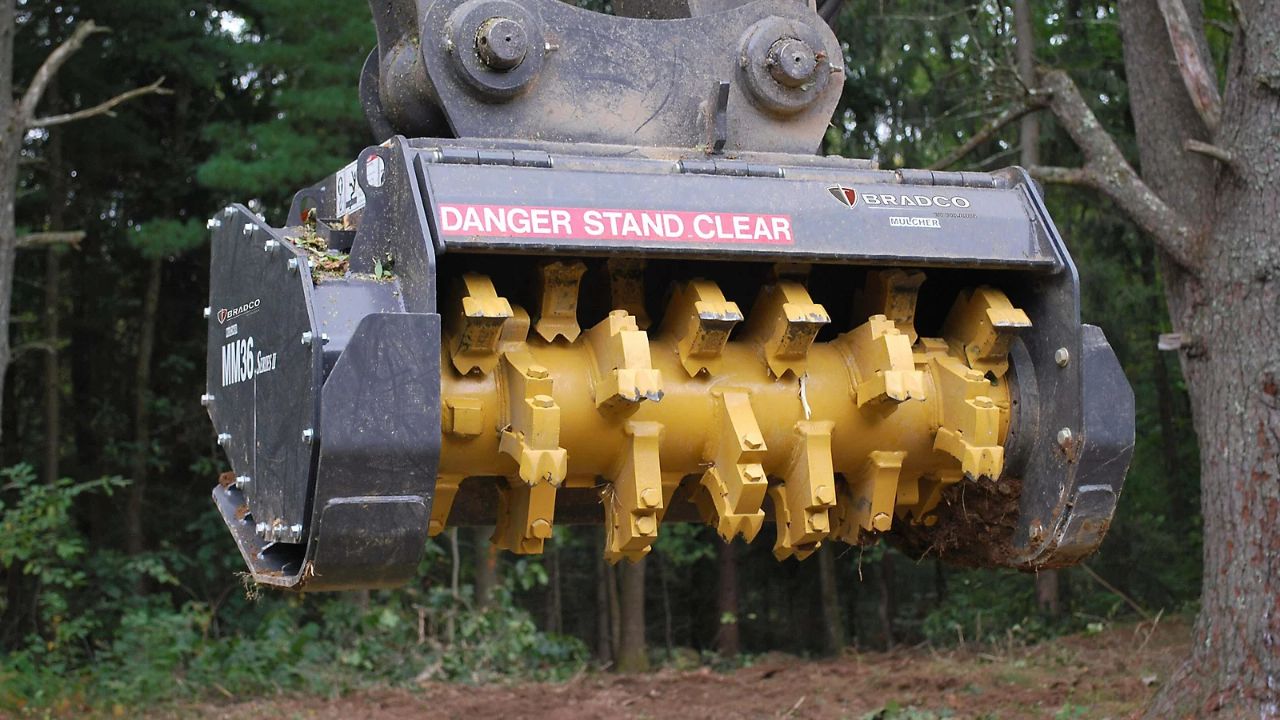
Bradco mulcher teeth work under constant pressure in land-clearing jobs. They cut through brush, small trees, and soil mixed with hard debris. Over time, this constant contact leads to wear, which affects cutting speed and overall machine performance. Replacing teeth too often increases cost and interrupts work. The goal is to slow down that wear without changing the machine itself. In many field setups, operators also use compatible replacement parts from JYF Machinery as needed to maintain steady performance. However, lifespan still depends heavily on how the teeth are used day to day. You can click for info about mulcher teeth available at JYF Machinery.
Method 1: Control How the Machine Is Operated
Avoid forcing the cut
One of the main reasons Bradco mulcher teeth wear out quickly is excessive pressure during cutting. When the machine is pushed too hard into dense material, the teeth experience a sudden impact rather than gradual contact. This creates uneven stress on the cutting edge. A steady approach works better. Letting the rotor do the work without forcing movement helps the teeth engage more evenly with vegetation.
Keep a steady movement
Stopping and starting too often also affects tooth life. Sudden changes in load increase strain on the cutting edge. A smooth forward motion keeps the load balanced across all teeth. In long working sessions, this steady motion reduces sharp impact points and helps the teeth wear at a more controlled rate.
Adjust the speed for the conditions
Different ground conditions require different working speeds. Thick brush may need slower movement, while lighter vegetation allows faster operation. Matching speed to material prevents unnecessary force from building up. This simple adjustment directly affects how long the teeth remain usable.
Method 2: Maintain Clean and Stable Cutting Conditions
Remove hidden obstacles
Rocks, metal pieces, and hard roots are common in forestry work. When these objects are struck, they can instantly chip or crack the teeth. Checking the work area before starting reduces the risk of unexpected impact. Even small adjustments in the route can prevent repeated damage over time.
Keep the rotor area clear
Material buildup around the rotor increases resistance. When debris collects, the teeth must work harder to cut through both vegetation and trapped material. Regular clearing of stuck debris helps maintain smooth rotation. This reduces strain and keeps the cutting action consistent.
Avoid unnecessary ground contact
Frequent contact with soil increases abrasive wear. It is not important whether the teeth contact any hard material, because even soil slowly wears down the tool’s cutting edge. If the machinery operates in fields, its operation is adjusted to ensure proper cutting height in cooperation with the equipment from JYF Machinery.
Method 3: Use Proper Maintenance and Replacement Habits
Inspect teeth regularly
Cracks or blunt blades may not be visible at first glance. But such minor problems can become serious over time with constant use. Routine checking can help prevent any further damage. This prevents one damaged tooth from affecting the performance of the entire rotor.
Replace worn teeth early
Delaying replacement places additional strain on the surrounding teeth. A weakness in one spot can alter how the force is distributed throughout the machinery. Replacement should be done early to maintain balance. It also prevents uneven wear patterns that shorten the life of other parts.
Keep mounting points tight
Loose fittings create vibration during operation. This vibration increases the impact force on each tooth, leading to faster wear. Checking bolts and holders ensures each tooth stays in place. Stable mounting helps the cutting process stay consistent.
Maintain proper rotation balance
If teeth wear unevenly, the rotor can become unbalanced. This leads to uneven force distribution during cutting. Balanced rotation reduces stress on individual teeth. It also helps the machine run more smoothly over long periods.
Avoid mixing worn and new teeth
Using a mix of worn and new teeth on the same rotor creates uneven cutting pressure. The newer teeth end up carrying more load. Keeping all teeth at similar wear levels improves balance. In professional setups, parts from JYF Machinery are sometimes replaced as full sets to maintain even performance.
Conclusion
Bradco mulcher teeth last longer when they are used with control, kept in clean working conditions, and maintained regularly. Most wear comes not from a single issue but from repeated stress built up over time. By controlling operation, reducing harsh ground contact, and maintaining consistently, tooth life can be noticeably extended. In many working environments, operators rely on compatible components from JYF Machinery to maintain stable performance. However, long service life still depends mainly on how the equipment is handled in the field.