How One Brand Built Its Entire Oral Care Line Through a Single OEM Partner
Most brands that end up with a coherent product line didn’t plan it that way from the beginning. They started with one SKU, figured out what was working, and built outward from there. The ones that do it well tend to have a manufacturing relationship that scales with them rather than one they have to keep replacing as they grow.
The story I’m describing here is a pattern I’ve seen repeated enough times to recognize it: a brand that launched with a single oral care product, found a manufacturing partner who could grow with them, and ended up with a full product line built through that one relationship. The details vary, but the structure is consistent.
Starting With One Product and a Clear Position
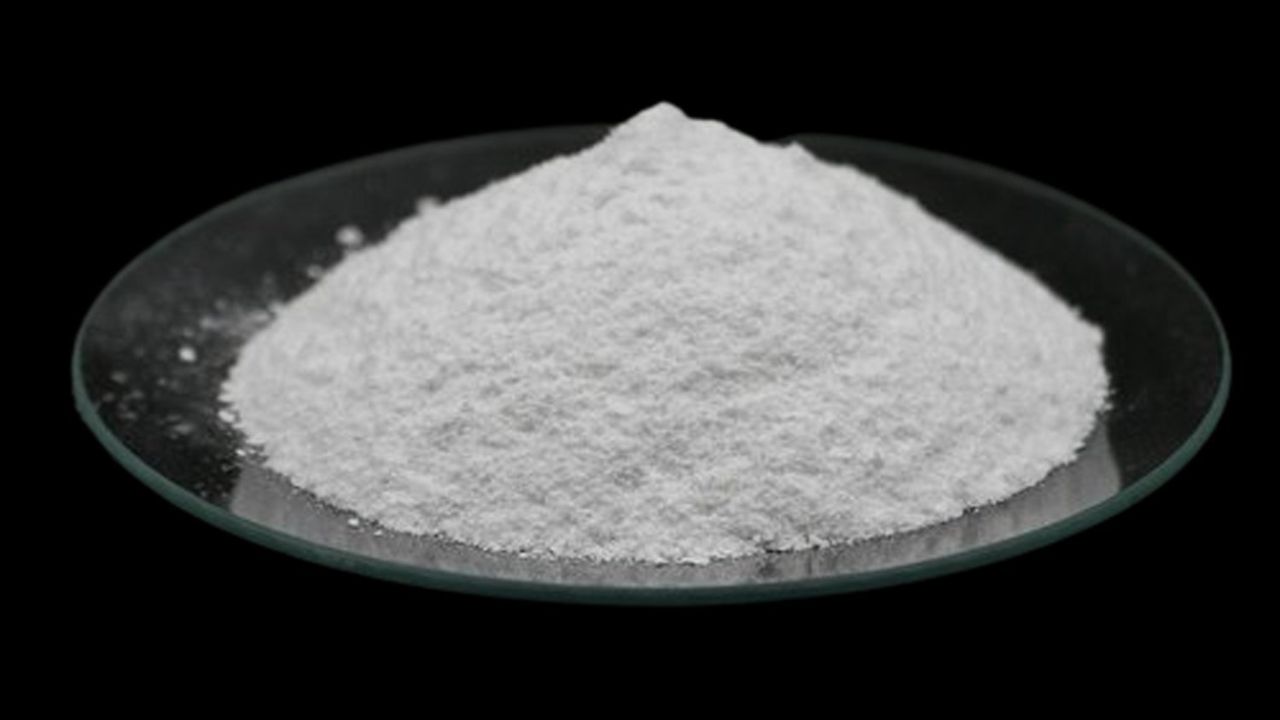
The brands that do this well usually start narrow. Not a line — one product, one clear positioning, one target customer. In the oral care space, that often means a tooth powder or whitening powder aimed at the clean beauty customer who’s already converted their skincare routine and is now working through the rest of their personal care cabinet.
The tooth powder works for this entry because it’s genuinely different from what the customer already buys. It’s not a better toothpaste — it’s a different format with a different ingredient story. That gives the brand something to talk about, and it gives the customer a reason to try something from a brand they’ve never heard of.
The single-SKU launch also keeps the sourcing problem manageable. Finding one manufacturer who can produce one product well is easier than finding one manufacturer who can produce four products across different formats. And proving you can sell one product before committing to a full range is more sensible than the alternative.
What Changes When You Find the Right Manufacturing Partner
The difference between a good manufacturer and a mediocre one shows up most clearly in what happens after the first production run.
A mediocre manufacturer delivers what you specified in the brief, takes payment, and waits for your next order. Any problems with the product are yours to solve. Any questions about reformulation or format extension go back to square one.
A good manufacturer — the kind that makes a multi-SKU oral care line possible — brings something different. They have opinions about formulation. They’ll tell you when an ingredient you want isn’t compatible with something else in the formula, or when a packaging choice will create problems at scale. They have existing formula frameworks that can be adapted rather than requiring everything to be developed from scratch. And they’re interested in growing with you because a brand that expands its line is a better customer than one that places the same order indefinitely.
The brands that successfully build full oral care lines through a single partner typically describe the relationship in similar terms: it started as transactional and became collaborative. The manufacturer stopped being someone who executes your specifications and became someone who co-develops your products.
The Expansion Sequence That Works
The path from single tooth powder SKU to full oral care line follows a recognizable sequence in most cases.
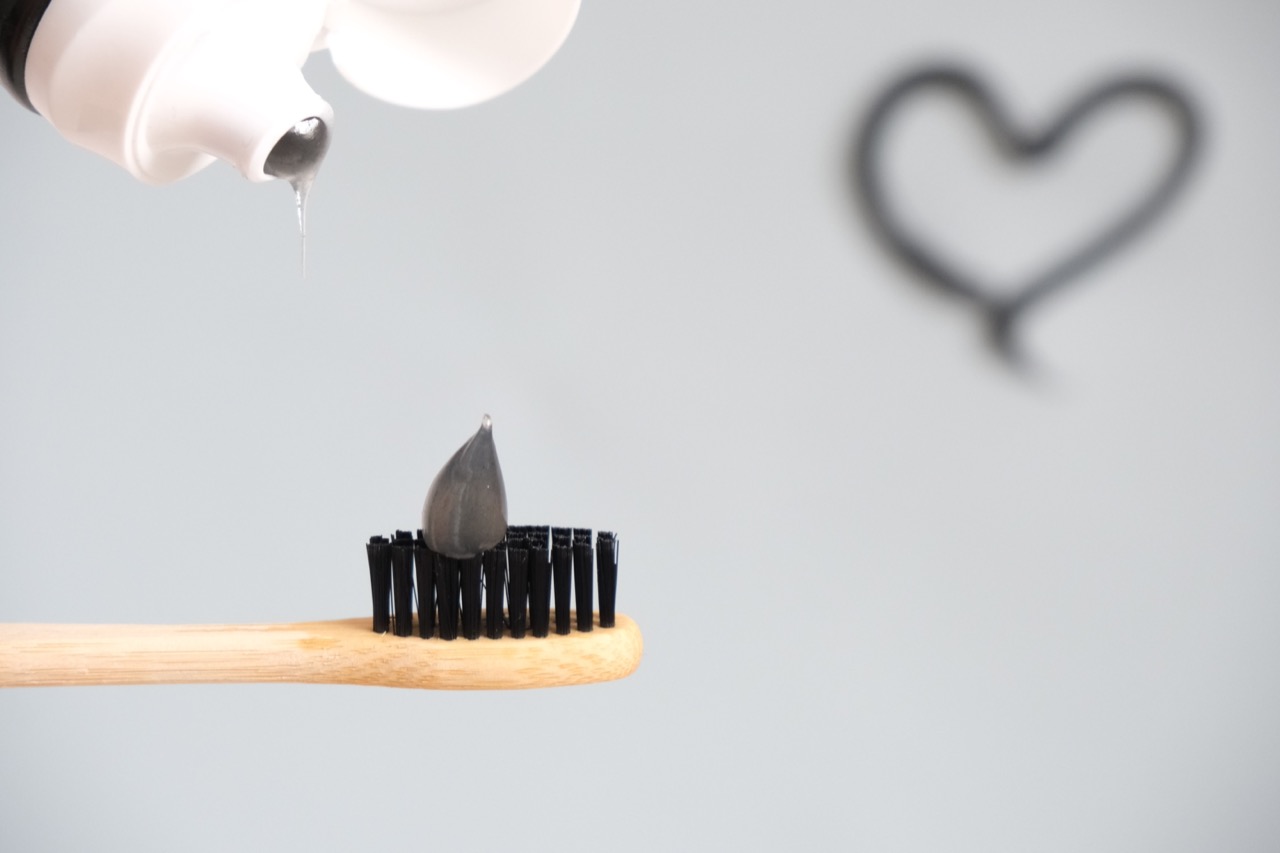
The second product is usually in the same format or closely adjacent — a different variant of the tooth powder (charcoal formula, remineralizing formula, whitening formula) rather than a completely new product type. This is partly a manufacturing decision: the same equipment, the same production line, the same quality documentation framework. The incremental complexity is low. The customer’s trust, once established with the first product, transfers easily to a variant.
The third product typically introduces a new format — a tooth powder brand expanding into mouthwash, or adding a whitening serum. This is where the manufacturing relationship matters most. Expanding into a new format means new equipment qualification, new formulation work, new stability testing. A manufacturer who already knows your brand’s positioning and quality standards can execute this more efficiently than a new supplier encountering your requirements for the first time.
By the time a brand has three or four products in an oral care line, they’ve usually settled into a development rhythm with their manufacturing partner — a regular cadence of sampling, reformulation, market feedback, and iteration that makes adding the fifth and sixth product progressively easier rather than harder.
Why Sticking With One Partner Compounds
The business case for building through a single manufacturing relationship isn’t just operational convenience. It compounds in ways that matter commercially.
A manufacturer who’s been working with your brand across multiple SKUs understands your quality standards implicitly. You’re not re-educating them on your expectations with each new product. Batch-to-batch consistency across your line is more achievable because the production team has context about what your finished products should be. And the pricing conversation for new products starts from an established relationship rather than from scratch.
There’s also a knowledge asymmetry that builds over time. The manufacturer accumulates understanding of your formulations, your production requirements, and your market’s expectations. That knowledge isn’t easily replicated by switching to a different manufacturer for a new product. A competitor trying to reverse-engineer your product line doesn’t just need to find the ingredients — they need to find a manufacturer with the same accumulated understanding of how to produce them consistently.
How to Know If Your Current Partner Can Go the Distance
Not every manufacturer who does a good job on a single product can scale into a multi-SKU partnership. The signs that a manufacturer can grow with you: they’re proactive about sharing information about new ingredient options or format possibilities relevant to your category, they have production capacity and quality systems that could handle two or three times your current volume, and they respond to problems by identifying causes rather than just offering to rerun the batch.
The brands that have built full oral care lines through Cinoll oral care manufacturing tend to describe the same thing: they found a manufacturer who treated the first order as the beginning of a relationship rather than a transaction. That distinction — which often only becomes clear in how a manufacturer handles the first problem — determines whether a single-SKU launch becomes a full product line or stays a single SKU indefinitely.
The oral care line that looks coherent and intentional from the outside usually has a single manufacturing relationship at its center. That relationship doesn’t happen by accident, but it doesn’t require anything exotic either. It requires finding a partner who’s genuinely interested in what you’re building — and then building something worth being interested in.