Hybrid Press Brake Systems and Their Role in Energy Efficiency
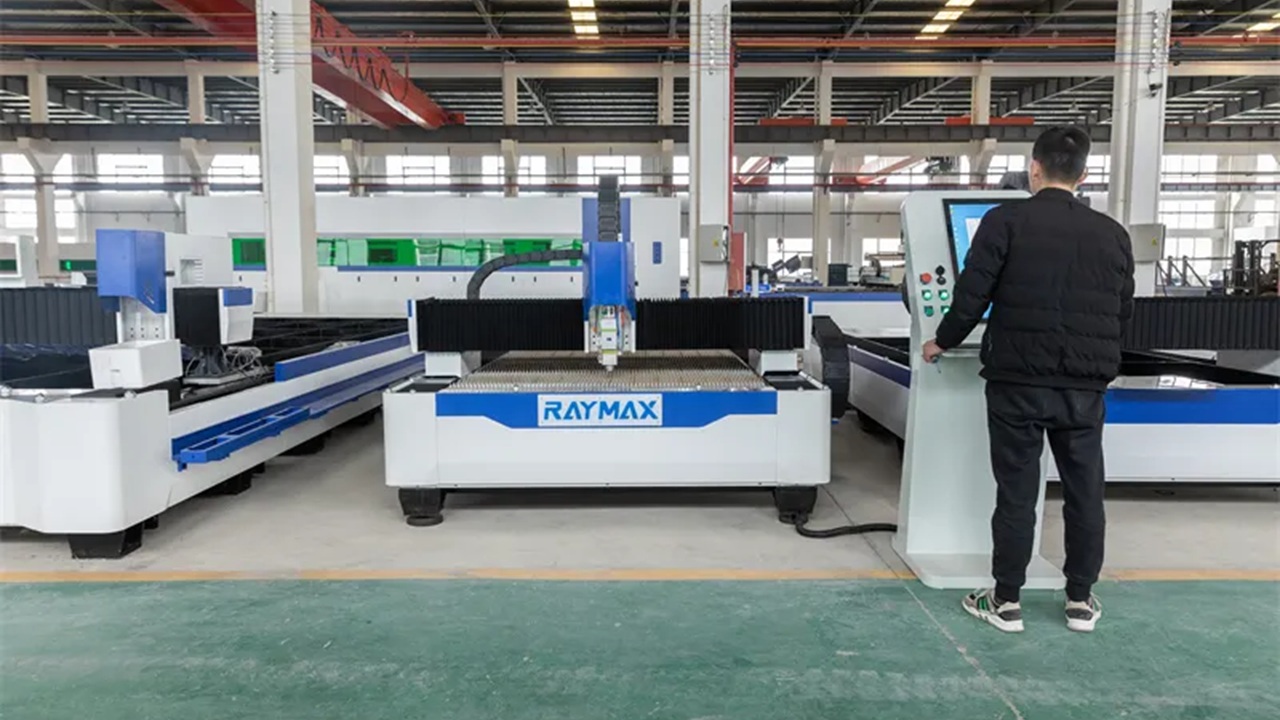
The press brakes are mostly used to bend sheet metal, but they also utilize a considerable amount of energy when they are used. With the increase in production requirements, the level of energy consumption is also emerging as a significant issue among manufacturers. To deal with this problem, hybrid press brake systems have been designed whereby various drive mechanisms are incorporated in a single machine. This is aimed at keeping the performance of bending and minimizing the unwanted power consumption. To read more about the press brake system, check out the solutions provided by Raymax.
What Hybrid Systems Mean
A hybrid press brake is a type of hydraulic press brake with electric drive components. It does not depend on a conventional hydraulic system, but instead uses electric motors to aid or even control some of the motions. This combination enables the machine to run more effectively since it consumes power only when required.
Traditional Hydraulic Limitations
Traditional hydraulic press brakes can operate continuously, even when not actively bending. The motor maintains the hydraulic system under pressure, which consumes power. Continuous work results in increased energy consumption, particularly during non-productive periods. This is addressed by hybrid systems that adjust power consumption to real demand.
Controlled Power Usage
Controlled energy use is one of the key advantages of hybrid systems. Electric motors can start and stop as needed, rather than running continuously. This minimizes energy waste during breaks between bending cycles. In the long run, this strategy will reduce overall power consumption in a production setting.
Role of Servo Motors
In hybrid systems, servo motors are usually utilized. They are used to control movement with greater precision than standard motors. These types of motors respond quickly to input signals, enabling the machine to better control speed and force. This enhances efficiency and consistency when in operation.
Reduced Heat Generation
Conventional hydraulic systems can generate heat due to the constant circulation of oil. This heat may require more cooling, increasing energy consumption. The hybrid systems will minimize unwarranted oil flow, thereby curbing heat generation. Reduced heat levels also help achieve favorable stability during long production cycles.
Noise Reduction in Operation
Hybrid press brakes can be much quieter in operation than fully hydraulic machines. The fact that not all motors run at all times reduces background noise during idle periods. This will provide a more comfortable working environment, particularly in facilities where more than two machines are used together.
Consistency in Bending Results
Performance is not compromised at the expense of energy efficiency. Hybrid systems are made to ensure reproducible bending. Regulated movement and constant force application help create consistent parts during repetitive processes. This is a significant assist production environment where precision should be upheld.
Faster Response Time
Hybrid systems have electric components that can react promptly to control inputs. This enables quicker adaptation when in use. Consequently, machines will be able to move between movements more naturally. This enhances cycle performance without increasing the amount of wasted energy.
Maintenance Considerations
Hybrid systems can minimize wear on some components. As the hydraulic system is not always under constant load, components may not be subjected to as much stress over time. This may result in increased length of service. It still needs regular maintenance; however, the system’s overall load is more balanced.
Adaptability in Production
Hybrid press brakes are applicable to various types of production. They can handle small, repetitive batches. They can be adapted to different workloads by simply adjusting the power consumption. This helps manufacturers control energy consumption without compromising production output.
Environmental Impact
Lower energy consumption also affects environmental impact. Reduced power use means lower emissions in facilities where electricity is a major factor. While hybrid systems are not the only solution, they contribute to more efficient resource use in manufacturing operations.
Integration with Modern Controls
Modern control systems operate hybrid machines with hydraulic and electric components, balancing performance and efficiency. Operators can set parameters, and the machine will adapt its behavior to the task. This supports continuous functioning across various jobs.
Conclusion
Hybrid press brake systems are a feasible way to decrease energy consumption without compromising performance. With the hybridization of hydraulic power and electric control, the machines are more efficient in power consumption and are more responsive to production demands. Their characteristics, including controlled motor activity, less heat production, and stable output, make them applicable to the modern manufacturing environment. With the increasing concern of energy use, hybrid systems represent a balanced solution of enhancing efficiency without interfering with the quality of bending.